
I watch people fill a cart up with food that’s really working against them. Some of that is not knowing. Some of it is not caring. But some of it is people actually trying, doing the best they could with the money and information they have. Reaching for the box with the green packaging that says natural and wholesome and made with real fruit, and feeling good about it on the way to the register.
That box did exactly what somebody paid a lot of money for it to do…finesse you!
Almost nothing on a package is technically a lie, and plenty of it is still built to leave you with the wrong idea. Most of what we call food labeling in this country is finesse, written to satisfy a regulation while telling you as little as the law allows.
So I stopped trusting the front of the box and started treating the back like a contract. Slow, line by line, assuming whoever wrote it had a legal team and I didn’t.
Then I wanted numbers instead of opinions. I pulled 1,561 packaged products out of the USDA’s branded food database and ran every last one of them through the same 9 checks I use standing in an aisle.
77 percent failed. 8 percent came back clean. Meaning 3 out of 4 times you grab something off a center shelf, you got an artificial color, a high heat extracted seed oil, high fructose corn syrup, enriched flour, an artificial sweetener, a petroleum preservative, or them two words natural flavors sitting in your hand.
Here’s what I look for, in the order it matters.
Flip It Over
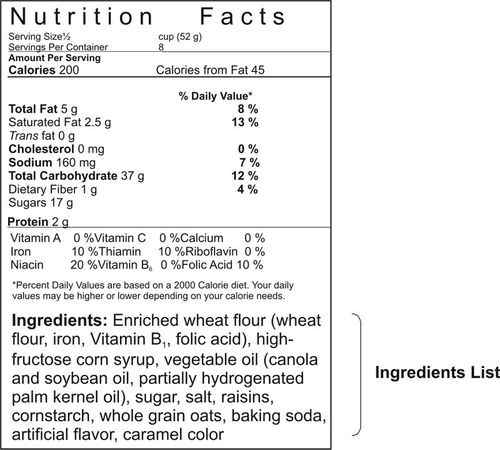
The front of the package is an ad. Every word on it got chosen by somebody whose entire job is making you pick it up. The back is the only part where they have to tell on themselves.
And that word natural? On most food it carries no legal weight at all. There’s no federal definition for it. On meat the USDA does define it, but their definition only describes what got done to the animal after it was already killed. How it lived, what it was fed, whether it ever touched grass, none of that is in there.
SUMMATIM · Stop reading the front. Flip it over. That habit by itself is most of the game.
The 9 Things That Should Stop You
Screenshot it, learn it, and you reading labels for life.
- Three or more sugar names. One sweetener is a recipe. Three is a strategy.
- Natural flavors. Two words that can legally cover hundreds of compounds they never have to name for you.
- Soybean, canola, cottonseed or generic vegetable oil. Solvent extracted and heavily refined, and when it’s in there the rest of the ingredients usually cheap too.
- Hydrogenated or partially hydrogenated anything.
- Artificial dyes. Red 40, Yellow 5, Yellow 6, Blue 1, Blue 2, Red 3. Still legal, still on the shelf.
- Enriched flour. They stripped the nutrients out, then put synthetic ones back so it can sit on a shelf longer.
- Soy lecithin, soy protein isolate, TVP. Soy wearing a different name.
- An ingredient list longer than 20 items.
- Big health claims on the front with nothing on the back backing it up.
SUMMATIM · Three or more and put it back. Don’t overthink it. If you going hard, one is enough!
Count Sugars, Don’t Look for Sugar
Ingredients get listed heaviest first. So a company selling sweet cereal won’t use one sweetener, because then sugar lands at the top of the list where you’d catch it. They use four instead. Little bit of cane sugar, little brown rice syrup, little dextrose, little fruit juice concentrate.
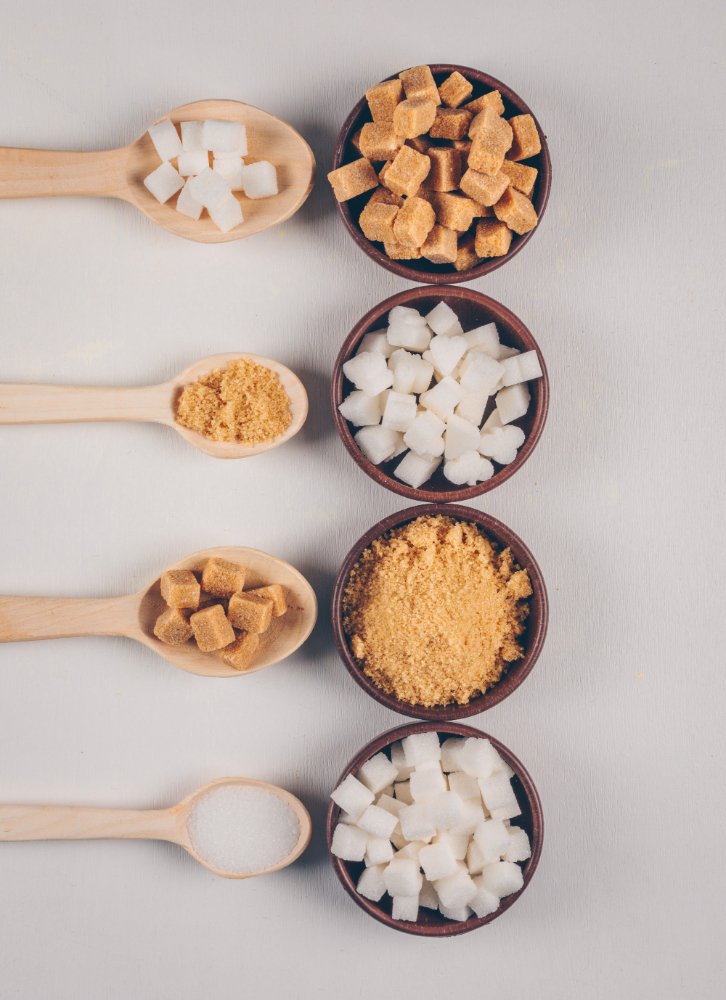
Each one on its own weighs less than the oats. So the list opens with oats and them sugars end up scattered at positions three, six, nine and eleven. Add them up and sugar is the biggest thing in that box by a mile. Nobody lied. They just controlled what you noticed.
Anything ending in ose, anything called a syrup, anything called a malt. And organic cane sugar is still 97 to 99 percent sucrose. Your pancreas don’t know the difference.
SUMMATIM · Don’t scan for the word sugar. Scan for how many sugars.
The 0g Trans Fat Loophole
A product is allowed to print 0 grams of trans fat on the front as long as it’s under half a gram per serving. So they shrink the serving until the math works out. Flip it over and the ingredient list still says partially hydrogenated oil.
Same play runs on sugar, sodium and calories. Check what they calling a serving before you trust a single number on that panel, because a bottle that looks like one drink is regularly two and a half.
SUMMATIM · If the list says hydrogenated, there’s trans fat in there regardless of what the front says. Ingredient list beats the nutrition panel every time.
Fix Your Drink First
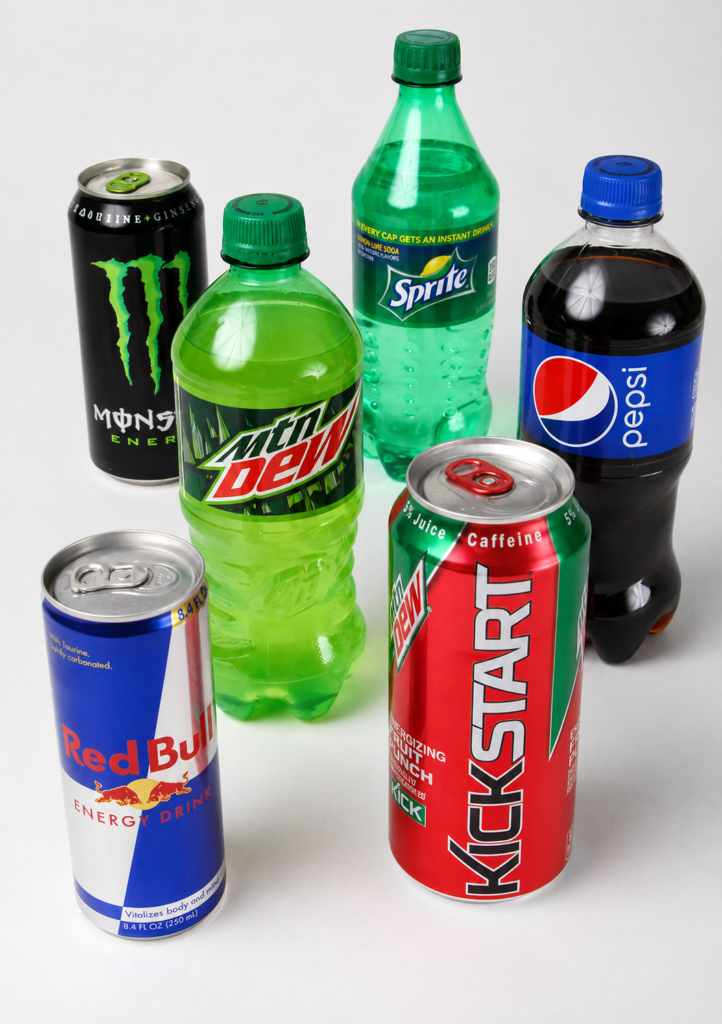
Soda is the number one selling item in American grocery stores. Outsells milk, bread and eggs, and it ain’t close. The first vegetable don’t show up on that top seller list until number #20.
One 12 ounce can runs about 39 grams of sugar. The American Heart Association says men should stay around 36 grams of added sugar for the entire day, wombmen around 25. One can puts you over. And there’s no fiber, no protein, no fat in there to slow the hit down. Soda is spanking the average citizen.
Diet is not the escape either. You dropped the sugar and picked up aspartame, sucralose or acesulfame potassium. That’s a trade. And 100 percent organic juice with no sugar added still hits you like sugar, because it is sugar. Juicing took out the fiber that was holding it back. Juice is dessert.
SUMMATIM · Highest impact move available to you, it’s free, and it puts money back in your pocket.
Move Through the Store Right
Next time you walk in, hold up before you grab a cart and take in the layout. Produce on one wall. Meat in the back. Dairy tucked in the far corner. And that entire middle section, most of the square footage in the building, is aisles.
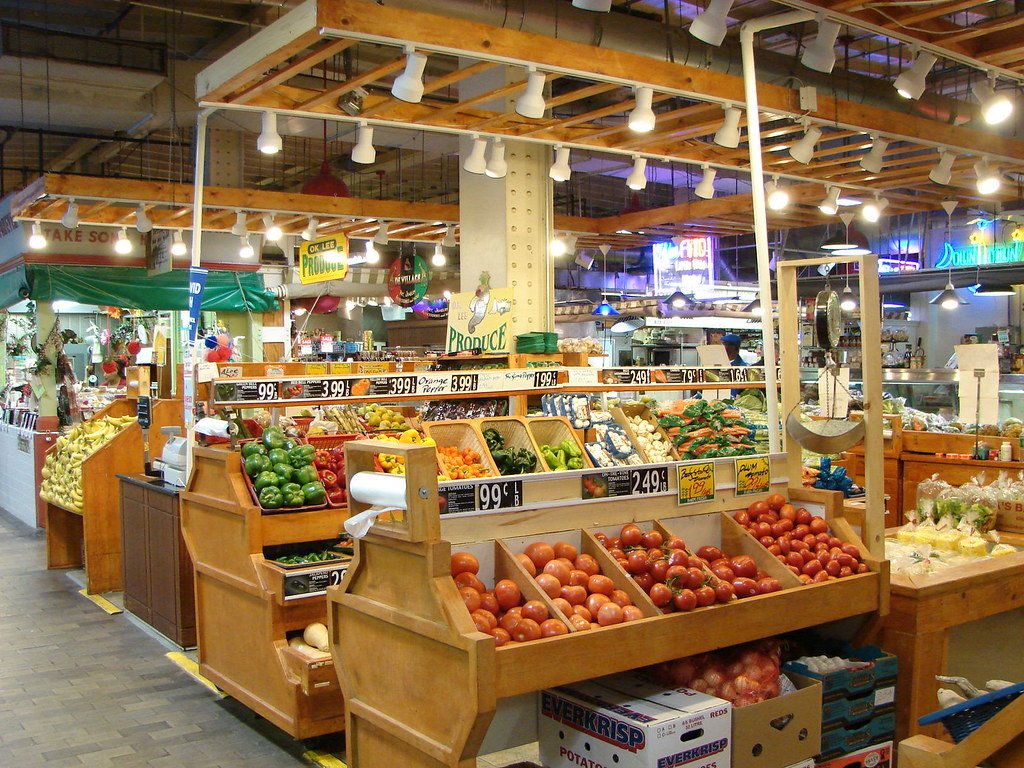
Everything on the outside ring rots. Somebody has to mist it, rotate it, throw it out when it turns. Everything in the middle can sit for 9 months and still sell on the last day. Think about what has to be done to food for that to be possible.
And dairy being in the back corner has nothing to do with the coolers. Milk, eggs and bread is what you came in for, so they put it as far from the door as the building allows and let you walk past a few hundred other things to get to it. Endcaps are bought and paid for, they not recommendations. Brands pay a premium for eye level, which is exactly why the cereal marketed to your kid sits at your kid’s eye level and the plain oats are down by your ankles. It’s all legal and it’s barely even hidden. Once you see it, it stops working on you.
SUMMATIM · Perimeter fast, center aisles slow. The middle is where they get you.
Put Your Organic Money Where It Counts
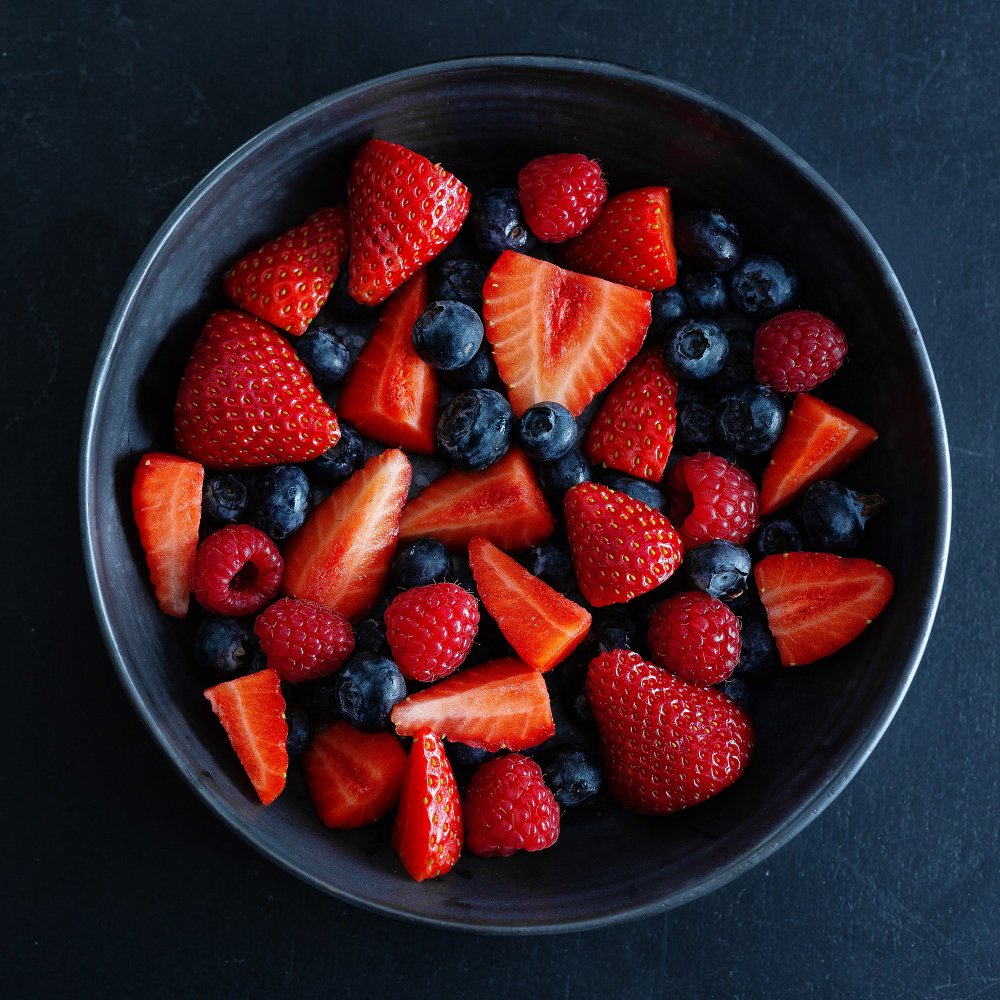
Buying everything organic is not realistic on most budgets and it doesn’t need to be. Spend it on the Dirty Dozen, save it on the Clean 15. Strawberries are worth it. Avocados, not so much.
The version I run in my own kitchen is simple. Skin on when it’s organic, skin off when it’s not. And that little sticker already told you the answer. That’s a PLU code, and 5 digits starting with a 9 means certified organic. See a 9 out front, it’s organic. No 9, it’s not. One second check on something already in your hand.
And if you want the nutrition side of this, meaning how to actually cover what your body needs day to day, I broke that down separately in Obtaining the Proper Daily Nutrition.
SUMMATIM · The expensive part of how we eat is not produce. It’s convenience, and convenience is a center aisle purchase.
Sometimes It’s Not Even the Food It Says
Everything up to this point assumed the label at least has the right food on it. Throw that out.
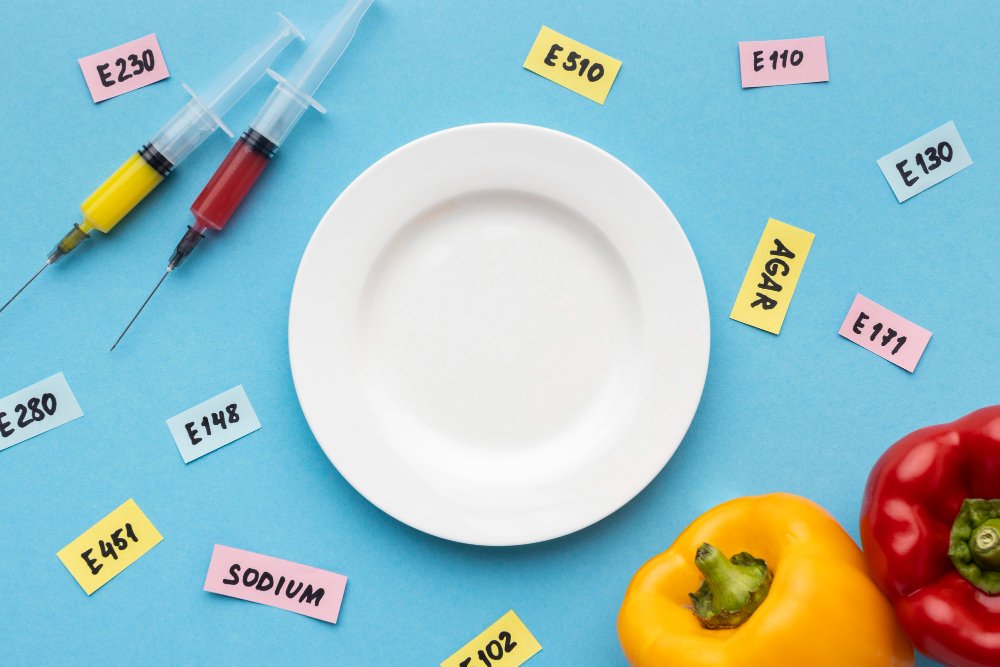
Michigan State’s Food Fraud Initiative puts food fraud around 50 billion dollars a year. That’s roughly double the entire global coffee market, and coffee is the most valuable crop on the planet.
July 2026, Selina Wang’s lab at UC Davis tested 54 avocado oil products. Two separate lots each, tested twice, so one bad batch couldn’t take a brand down by itself. 48 of the 54 failed. That’s 89 percent. One sample came back with a chemical fingerprint that was basically soybean oil.
Siete, Jackson’s, Primal Kitchen, Chosen Foods, Sir Kensington’s, Sprouts, Boulder Canyon, all of them failed both lots. There’s no FDA standard of identity for avocado oil, so there’s nothing on the books for a regulator to even enforce. Whole time you paying avocado money for the same seed oil you were trying to dodge. Olive oil came through that same testing clean, only one lot of one product failed out of about 20.
I had some of them products recommended in my own manuscript. Had to go back and rewrite that whole section.
SUMMATIM · Fraud needs somewhere to hide, and whole food doesn’t give it anywhere. Oil looks like oil. An apple is just an apple.
How I Actually Shop: The Four Tiers
Every product in the book gets sorted into one of 4 tiers. It’s how I make the call in the aisle without standing there 10 minutes holding up the line.
- SKIP. Trips the red flags. Put it back.
- MIDDLE. Not clean, not trash. Fine here and there, long as you know what you holding.
- TOP. Best thing in its aisle. Still leaves you a little room for carbs and some flex.
- EYE369 APPROVED. Sits above all 3, and it leaves you none.
For a package to carry Eye369 Approved it’s got to clear all 5:
- Sweetened by monk fruit, allulose, pure stevia or raw honey only, named on the label by itself. No cane sugar, organic included. No HFCS, no agave, no maple, no coconut sugar, nothing ending in ose.
- Added sugars at 2 grams or under, and only if it’s raw honey.
- 5 grams of net carbs or less per serving. Total carbohydrate, minus fiber, minus allulose.
- None of the 9 red flags. Not one.
- Every ingredient is something you can picture. No unnamed spices, no flavoring, no gums, no isolates, no generic vegetable oil.
Whole food with nothing done to it carries that tier automatically. Produce, pasture raised meat, wild fish, real cheese, cold pressed oil, unrefined salt. Anything that came in a box has to earn it.
SUMMATIM · Whole food first. A package only if it clears all 5.
The App Is Coming Too
I’m building an app called Eye369 Approved that runs them 5 rules straight off a barcode. Scan the box with your phone and it tells you the tier and the exact ingredient that made the call. Not a vibe, not a score somebody made up. The actual line on the label, and why it matters.
It drops after the book.
The Book
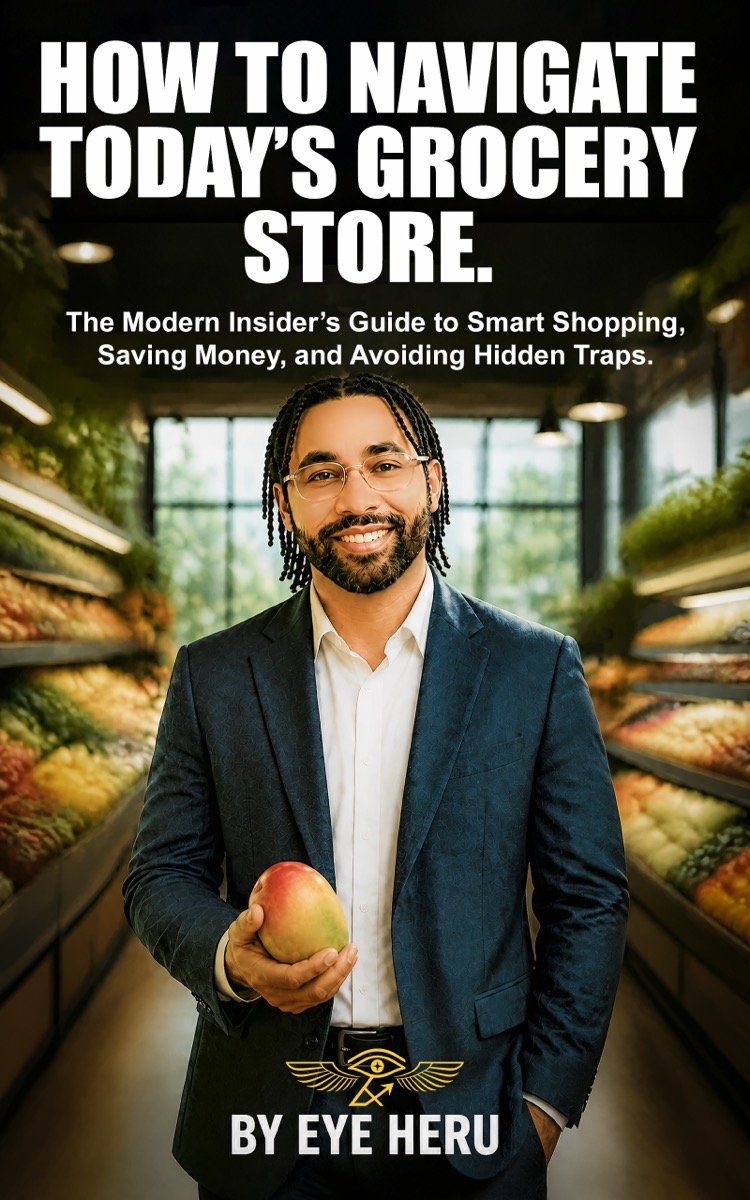
This right here is the compressed version. The full thing is How to Navigate Today’s Grocery Store: The Modern Insider’s Guide to Smart Shopping, Saving Money, and Avoiding Hidden Traps, coming soon.
It goes all the way in. Plus a reference manual sorted into 27 categories the way a store is actually laid out, an A to Z ingredient file, and cards in the back built to be photographed with your phone so you can pull them up in the aisle without carrying nothing. Nothing in it is a paid placement. Nobody handed me a product, a check, or a discount code. When I say a brand is good, it’s because I read the label!
This is education, not medical advice. Talk to a physician or a registered dietitian before you change how you eat. Companies reformulate constantly, so always read the actual package in your hand. That’s the whole skill anyway.
Image credits: nutrition panel by Jean Brainard for CK-12 Foundation, CC BY-SA. Soda by Like_the_Grand_Canyon, CC BY-NC. Avocado by UnknownNet Photography, CC BY-SA.