
What’s up family? Today we’re rewinding to one of the most powerful stories in this whole hemisphere. Haiti. Not the watered down version they handed you in school. The real one. The island that stood up to the biggest empires on earth and built the first free Black republic in the world. Let’s get into it.
The Original People of Haiti: The Taíno
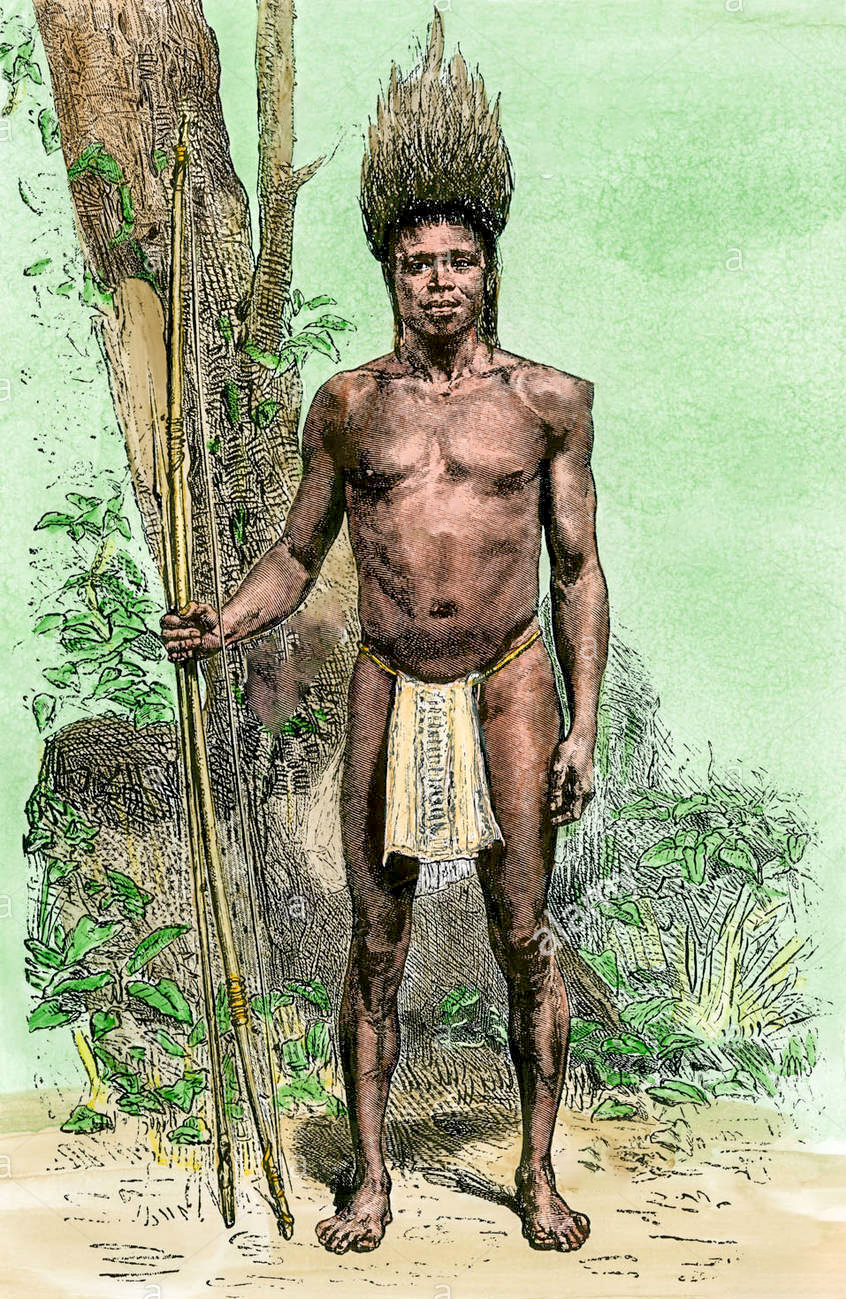
Before the Europeans ever showed up, this island was called Ayiti, which means “land of high mountains” in the Taíno language. The Taíno were indigenous to the island, and they were not primitive like the story goes. They lived peaceful and they thrived, with real knowledge in agriculture, navigation, and medicine.
Check their farming. They had a technique called conuco, planting crops up on raised mounds to keep the soil fertile. Cassava, maize, sweet potatoes, beans. They kept their communities fed.
Taíno society was organized. It was led by caciques, the chiefs, who ran the villages and held both political and spiritual authority. The chief kept social order and kept the spiritual practices alive, and that leadership usually passed down through the family.
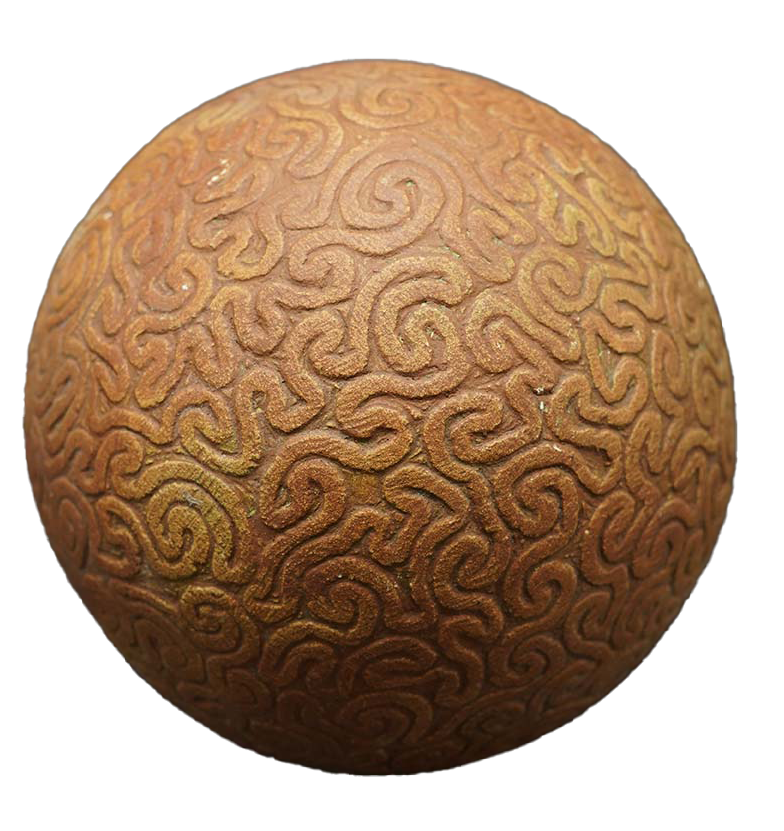
Their lives were connected to the environment. They relied on fishing, hunting, and gathering, and lived in harmony with nature. The Taíno were also known for their ceremonial practices, such as the ball game batos (batey), this game was not only recreational but had a ritual significance also. “The conquistadors first observed the Caribbean ball game being played by the natives in Hispaniola and subsequently In Puerto Rico. It was a Taíno custom that evoked great interest among them. They were amazed by both its sporting and ceremonial features and by the rubber of which the ball was made, which was then unknown in Europe.” – Birgit Faber Morse (anthropologist)
They were also plugged into a bigger trade network across the Caribbean, moving goods and swapping culture with other indigenous groups. Their language was rich with symbolism, and their art, the petroglyphs and the carvings, shows how deep their spiritual connection to the natural world ran.
Then the Europeans arrived, and everything changed. It brought the decline of the Taíno people and the breakdown of their whole way of life.
Sources:
•   “The Tainos: Rise and Decline of the People Who Greeted Columbus” by Irving Rouse
•   National Geographic on the Taíno People
•   1492: An Ongoing Voyage What Came To Be Called “America” - Library of Congress Exhibit
•   The Origin & Development of the Caribbean Ball & Dance Court - Birgit Faber Morse
Queen Anacaona: Symbol of Resistance
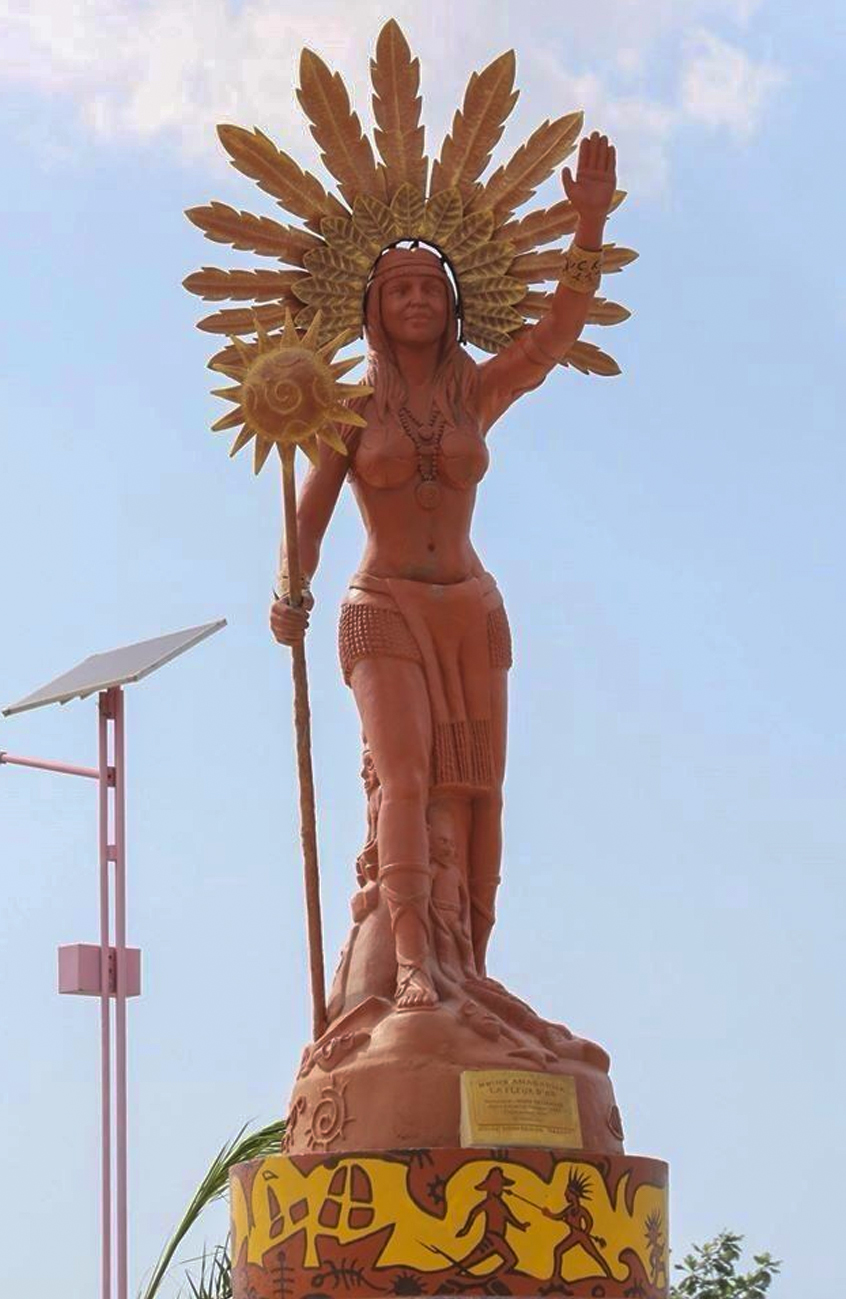
One of the realest figures in Haiti’s early history was Queen Anacaona. Her name means “Golden Flower” in Taíno, and she was born around 1464. She married the cacique, the chief, of Xaragua, one of the most powerful territories in Hispaniola.
She was a poet and a diplomat, and she led the Taíno people through those first encounters with the European explorers. She negotiated peace with the Spanish, right up until they turned on her. They executed her in 1503 for resisting colonization. Her courage and her leadership made her a lasting symbol of strength and resistance in Haiti.
Her legacy still gets celebrated today, because she stands for the courage of the Haitian people in the face of colonization and injustice. Her story is a straight reminder of the island’s rich indigenous heritage before the Europeans ever set foot.
Sources:
•   The Caribbean A History of the Region and Its Peoples Edited by Stephan Palmié and Francisco A. Scarano
•   “Anacaona: Golden Flower, Haiti, 1490” by Edwidge Danticat
The Arrival of Europeans and Exploitation
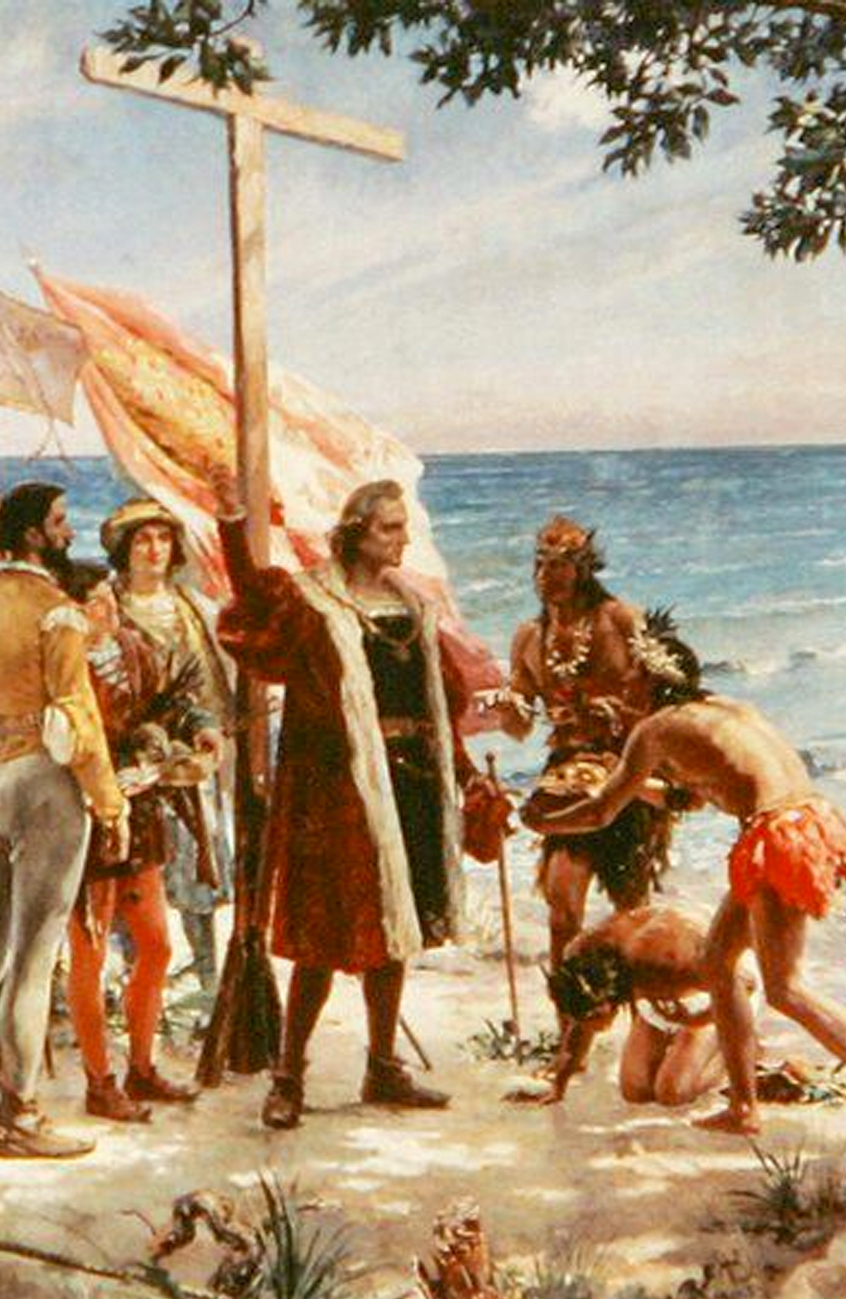
In 1492, Christopher Columbus landed in Hispaniola, which is modern-day Haiti and the Dominican Republic, and that was the start of colonization. The Spanish moved fast to strip the island for its resources, hunting for gold first. When they shifted their focus to sugarcane, they brought the crop in, and that became the base of a brutal labor system. Sugar production grew, but the cost was ugly. The Taíno population got decimated by enslavement and disease.
With the Taíno dying off, the Spanish started importing enslaved Africans to work the sugar plantations. That laid the foundation for one of the wealthiest colonies in the whole Caribbean, but understand, it was built straight on human suffering.
Sources:
•   National Geographic: The Impact of Columbus
•   “Columbus and the Taíno: The Impact of European Colonization” by David E. Stannard
The Split of Hispaniola: A Tale of Two Colonies
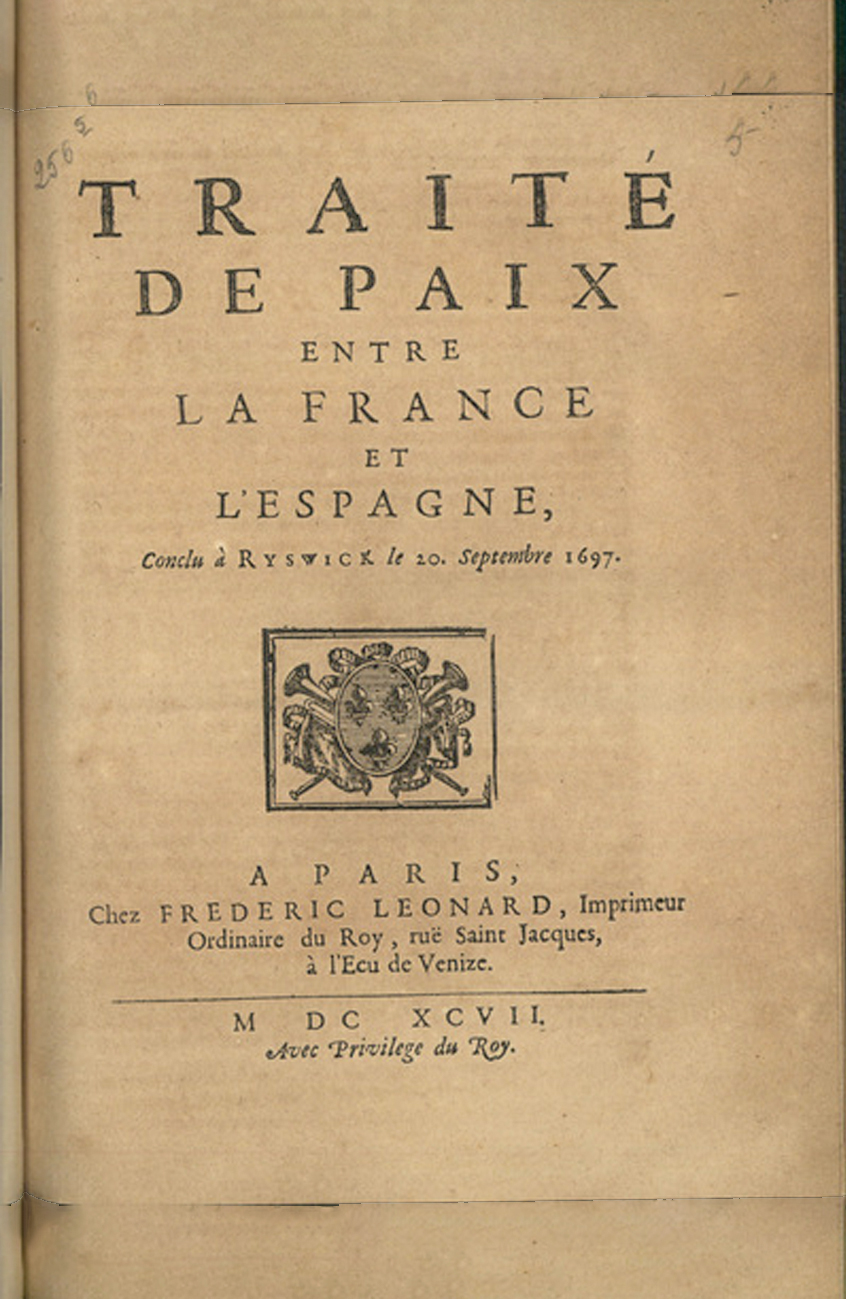
By the Treaty of Ryswick in 1697, Spain handed the western part of Hispaniola, what is now Haiti, over to France. The French colony, Saint-Domingue, became one of the richest in the world, known for pumping out sugar, coffee, and indigo. It generated more wealth than all the American colonies combined, but again, at a devastating human cost, with hundreds of thousands of enslaved Africans brought in to work the plantations.
While Saint-Domingue was thriving on paper, it was a pressure cooker for rebellion, because the enslaved population was living through brutality you can hardly imagine.
Sources:
•   Treaty of Ryswick (1697): Encyclopedia Britannica
•   “Haiti: The Tumultuous History” by Philippe Girard
The Haitian Revolution: The Spark at Bois Caïman
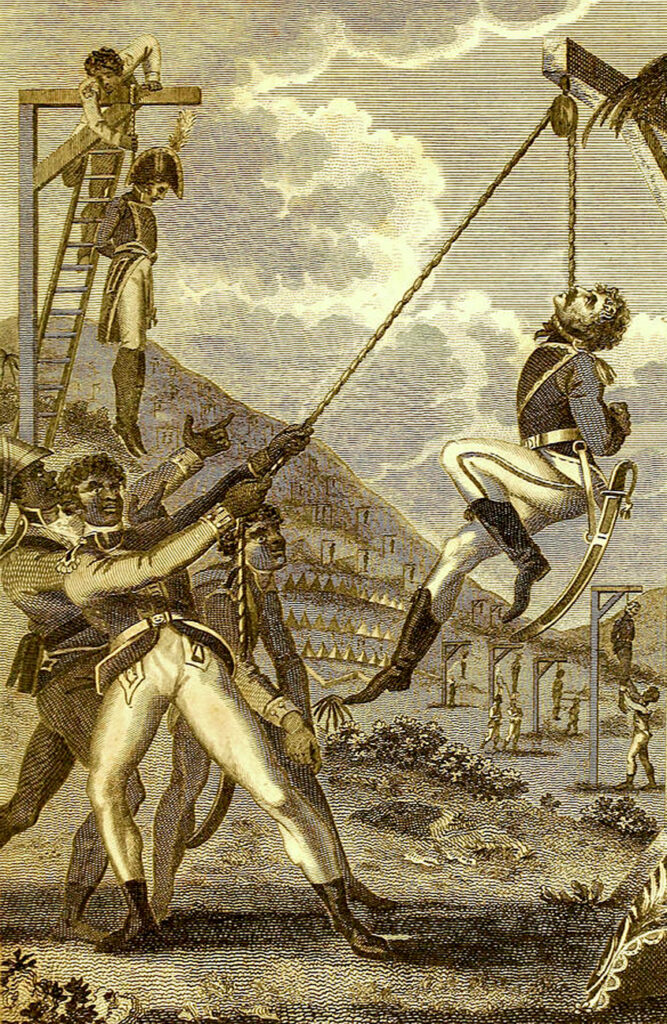
In 1791, enslaved Africans in Saint-Domingue, sparked by a Vodou ceremony at Bois Caïman led by Dutty Boukman, kicked off a revolution that would change the world. The Haitian Revolution was the first successful slave revolt in history, and it laid the foundation for the world’s first Black republic. This whole rebellion was lit by one thing, the collective hunger for freedom from the cruelty of slavery.
Sources:
•   “Avengers of the New World: The Story of the Haitian Revolution” by Laurent Dubois
•   History.com: Haitian Revolution
Toussaint Louverture: The Man Behind the Revolution
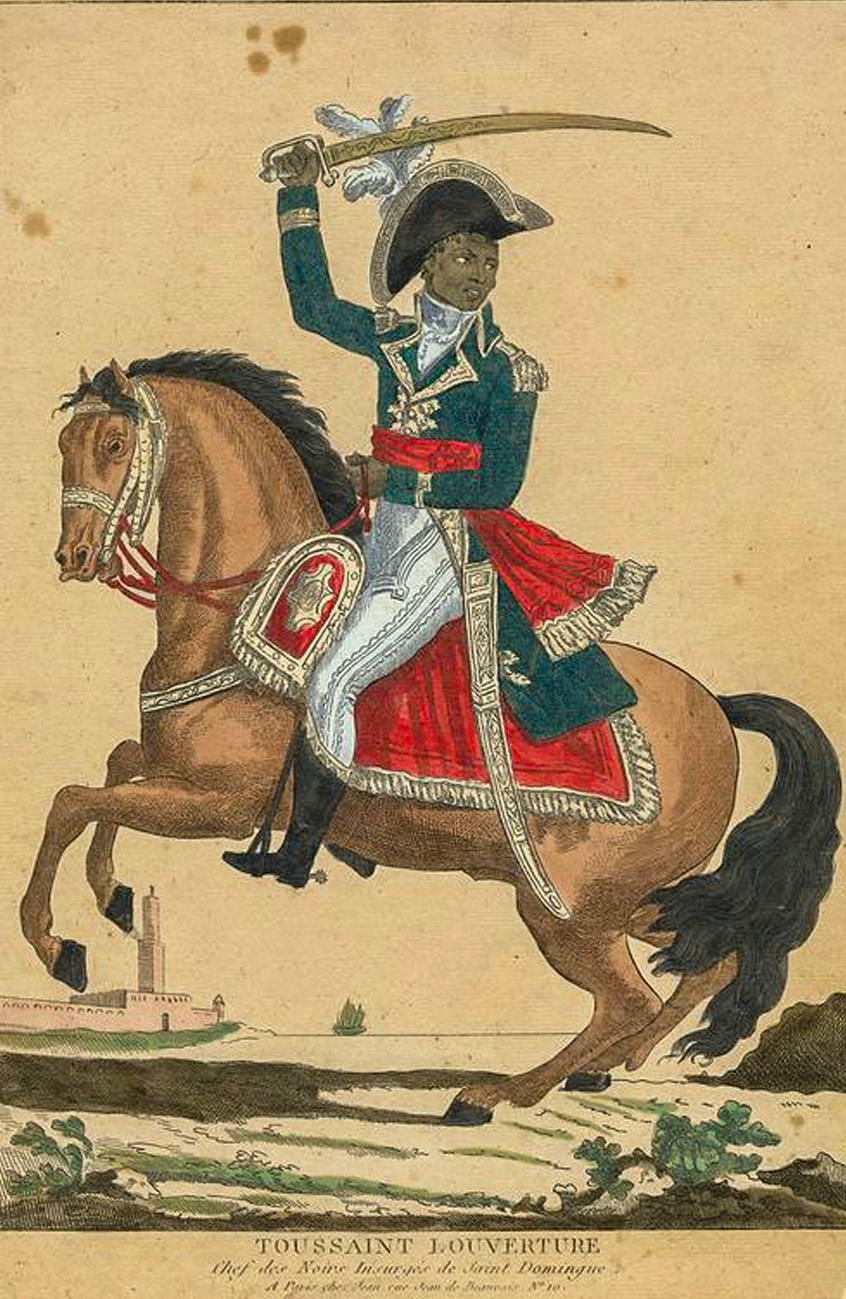
At the heart of this revolution was Toussaint Louverture, a formerly enslaved man who rose up to become a general and a revolutionary leader. He was known for his strategic brilliance, and he outmaneuvered the French, Spanish, and British forces to secure Haiti’s freedom. They captured him and he died in a French prison in 1803, but his leadership laid the groundwork for Haiti’s final victory.
His words still ring out to this day: “In overthrowing me, you have cut down only the trunk of the tree of liberty; it will spring up again by the roots for they are many and they are deep,” That is the resistance that runs all through Haitian history.
Sources:
•   Biography.com: Toussaint Louverture
•   “Toussaint Louverture: A Revolutionary Life” by Philippe Girard
Jean-Jacques Dessalines and Haiti’s Independence
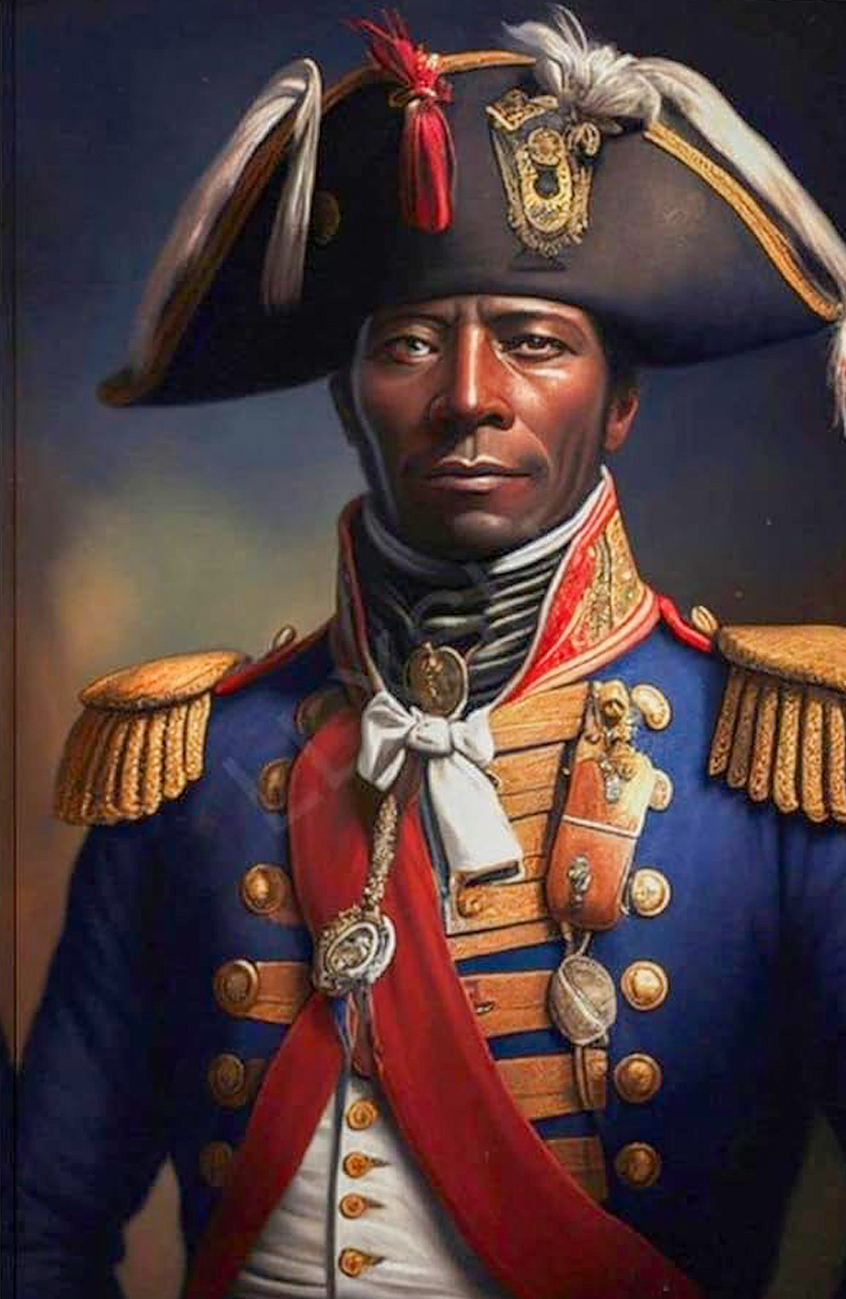
After Toussaint got captured, Jean-Jacques Dessalines picked up the mantle and led the Haitian forces to the final victory over the French. On January 1, 1804, Dessalines declared Haiti an independent nation, making it the first free Black republic in the world. Haiti’s revolution is still one of the most significant moments in world history, because it was a triumph over colonialism and slavery, plain and simple.
Sources:
•   “Dessalines: The Untold Story of the Haitian Revolution” by Jacques Nicolas Léger
•   Biography.com: Jean-Jacques Dessalines
The Louisiana Purchase: Haiti’s Global Impact
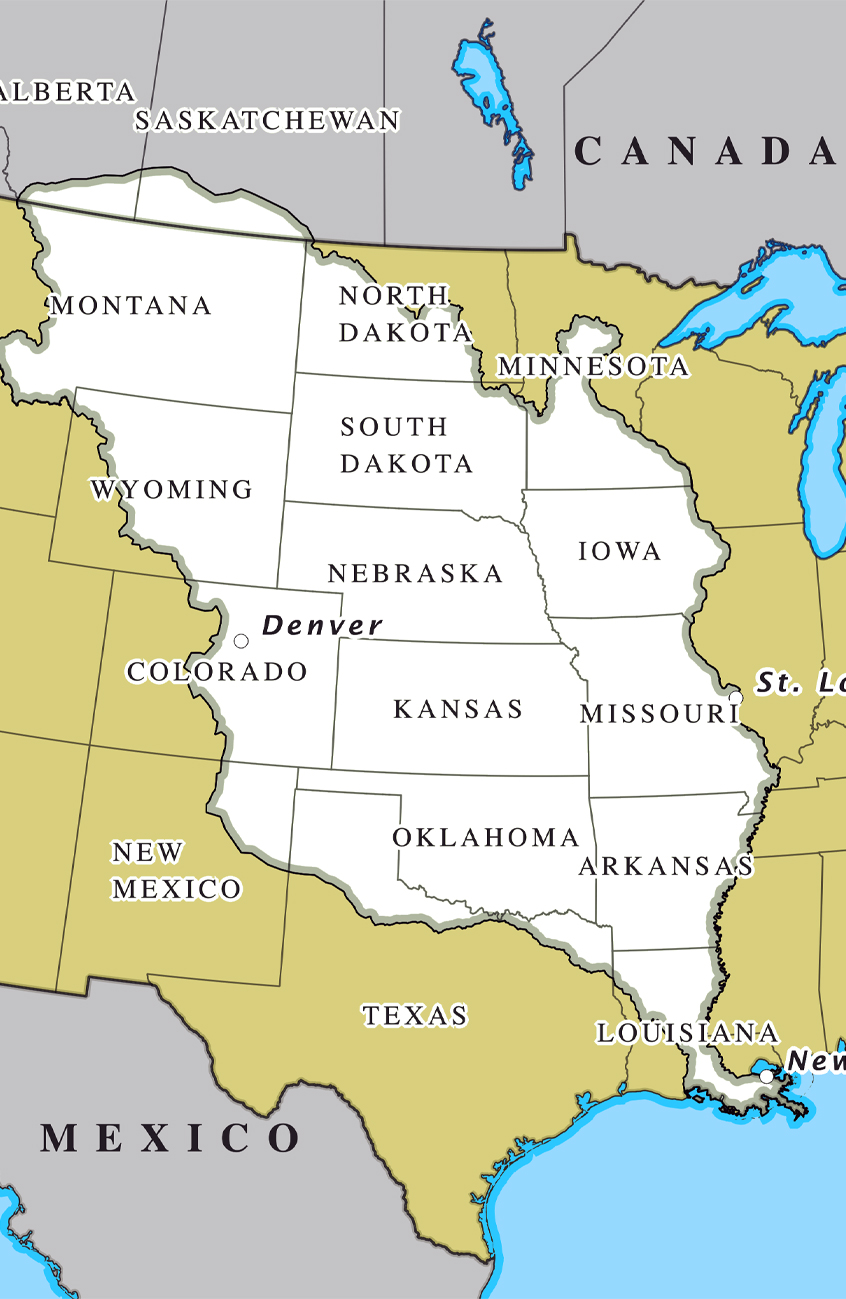
The Haitian Revolution did not just free Haiti. It reshaped the whole map. In 1803, after losing his grip on Haiti, Napoleon Bonaparte gave up his ambitions in the Americas and sold France’s territory in North America to the United States, in what we know as the Louisiana Purchase. That sale doubled the size of the U.S. and shaped its entire future. Think about that. Without Haiti’s victory, the American map might look completely different today.
Sources:
•   National Archives: The Louisiana Purchase
•   History.com: How the Haitian Revolution Influenced the Louisiana Purchase
Post-Independence Challenges and France’s Economic Stranglehold
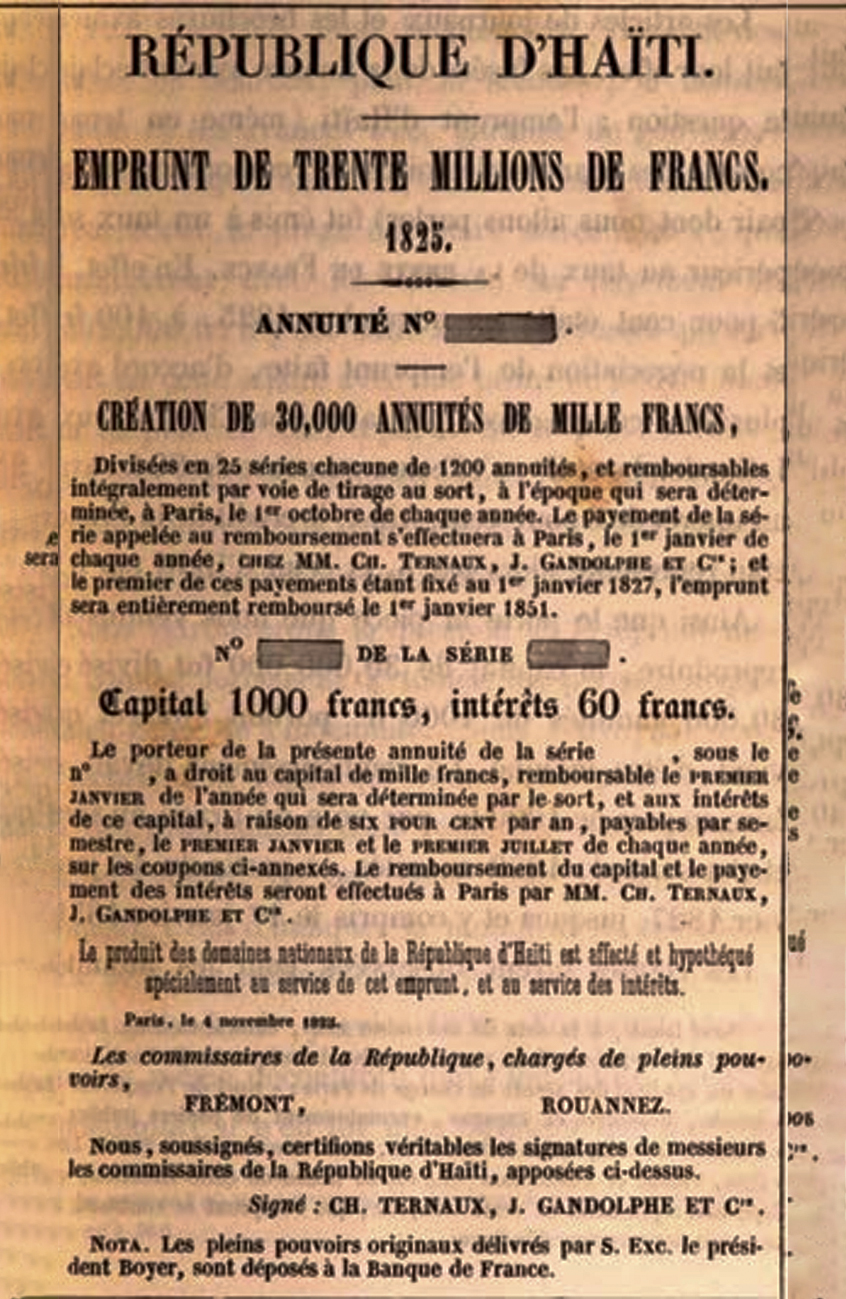
Haiti won its freedom, but the struggle was far from over. France refused to recognize Haiti’s independence and demanded reparations for its “lost property,” meaning the formerly enslaved people, forcing Haiti to pay 150 million francs. Let that sink in. They made the free people pay for their own freedom. That debt crippled Haiti’s economy for generations, and it feeds into the financial hardship the nation still deals with today.
Through all of that, Haiti stayed resilient, proud of its history and the strength of its people.
Sources:
•   BBC: “The Price of Freedom: How Haiti Was Forced to Pay for Its Independence”
•   “Haiti and the Indemnity Controversy: Reparation and Debts” by Alex Dupuy
Haiti’s Influence on Other Liberation Movements
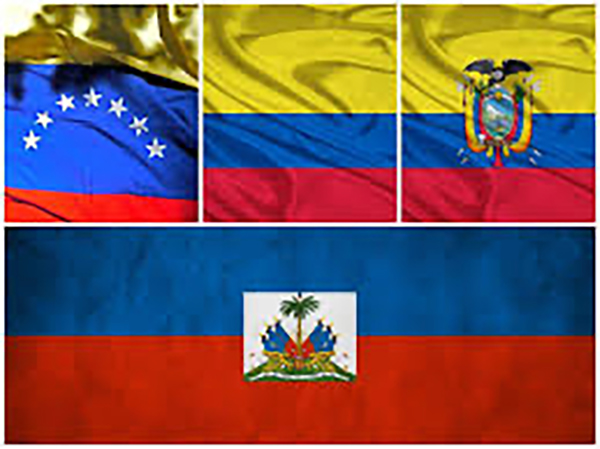
After it gained independence, Haiti became a source of hope for oppressed people all across the Americas. Haiti backed revolutionary movements in countries like Venezuela, Ecuador, and the Dominican Republic, playing a real role in the fight for freedom across Latin America.
That global legacy is still felt today, in movements for liberation, justice, and equality all around the world.
Sources:
•   “Haiti and Latin American Independence Movements” by David P. Geggus
•   JSTOR: The Haitian Revolution’s Role in Latin American Independence
Modern Haiti: A Nation of Resilience
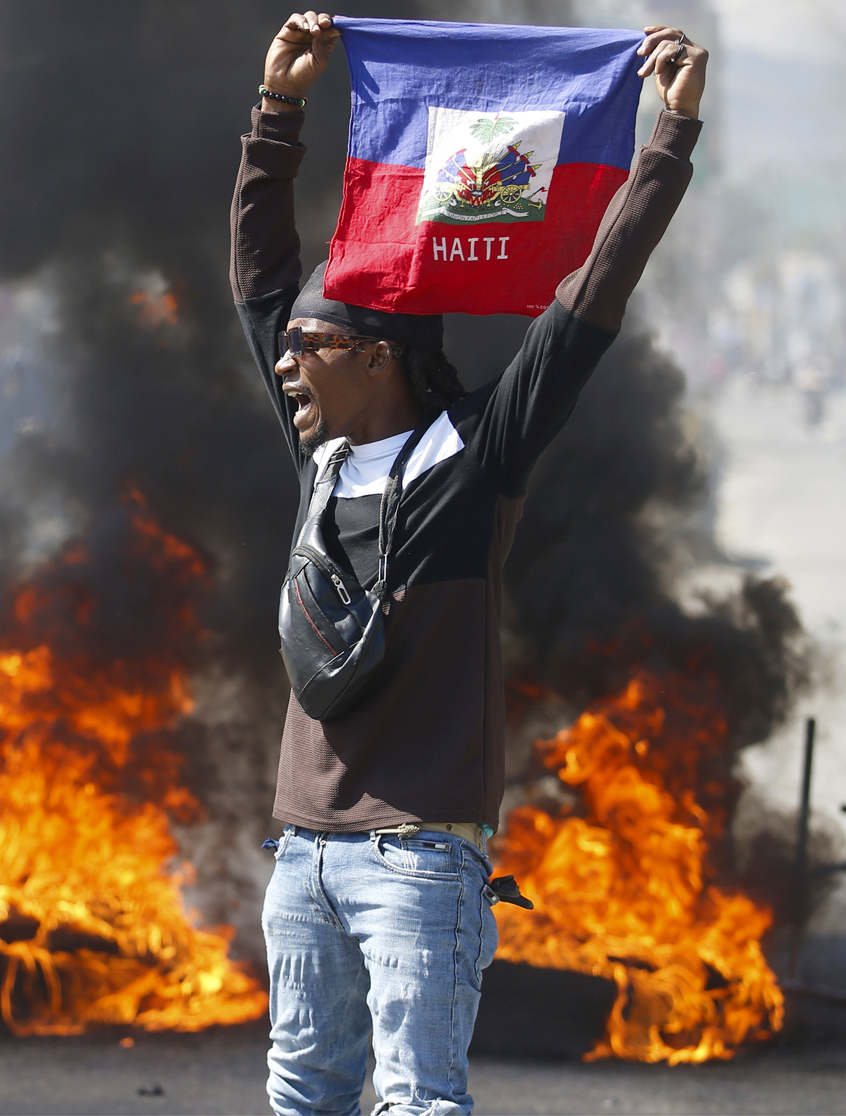
Haiti has faced a lot. Political instability, natural disasters, economic struggle that will not let up. But the spirit of the people has not broken. The strength of Haitians, rooted in a history of resilience and revolutionary fire, keeps right on going. Haiti’s legacy is courage, strength, and a deep tie to the fight for justice and freedom.
Sources:
•   “Haiti: The Aftershocks of History” by Laurent Dubois
•   UN.org: Haiti’s Ongoing Recovery from Natural Disasters
The Legacy of Haiti’s Revolution
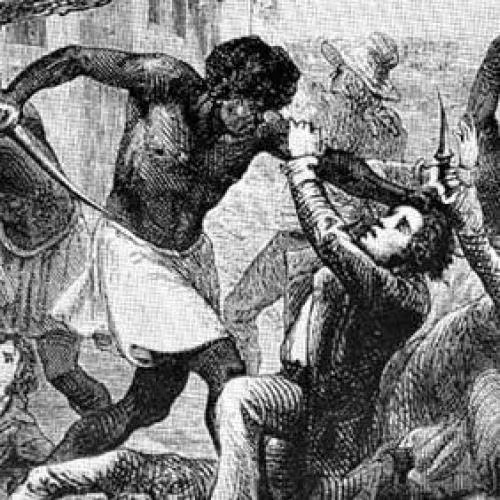
Haiti’s fight for independence did not just change its own history. It pushed the abolition of slavery and lifted up freedom movements around the world. The Haitian Revolution stands as one of the greatest examples of human resistance to oppression there ever was, and proof of what a determined people can do when they decide they are free. So when you hear people talk down on Haiti, remember who they are and what they did. First free Black republic on the planet. They did not ask for freedom, they took it. Study your history, family. It is power. Peace & love family!
Sources:
•   “Avengers of the New World: The Story of the Haitian Revolution” by Laurent Dubois
•   Smithsonian: Haiti’s Role in Shaping the Modern World